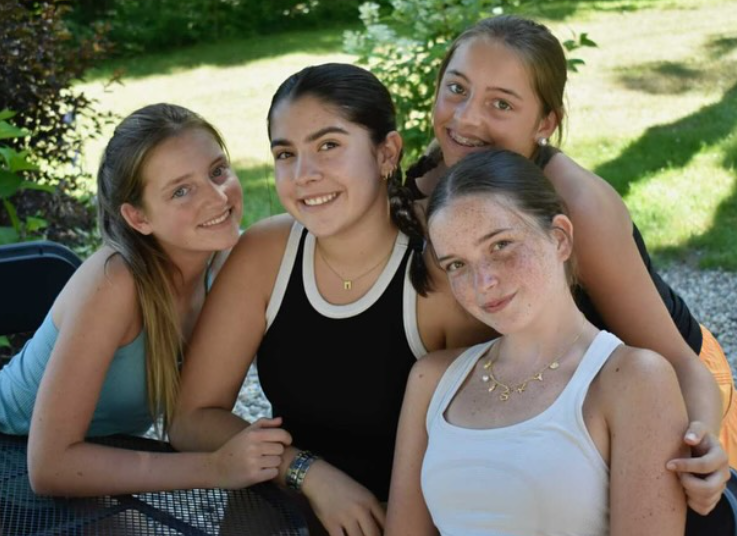
 Did you ever notice something different about your friendships from overnight summer camp? Camp friends are genuine. Camp friends can be dormant for a long time, but rekindle with ease. Camp friends bring you back to your inner child. And oftentimes, camp friendships have longevity. Why are summer camp friendships more likely to last into adulthood?
I interviewed several Camp Jeanne d’Arc alumni of all ages to learn more about adult friendships born from camp. And here is what I found:
Shared experiences.
Shared experiences breed connection. Memories of a shared place, shared activities, shared challenges, and shared emotions creates a foundation for a trusting relationship. According to The Science Survey’s article Psychology of Friends, friendships with shared experiences “reflect the emotional weight of growing up together, of building something steady in a world that constantly changes.”
One alumni from Camp Jeanne d’Arc spoke of this shared history: “Campers truly become part of the history of camp. Knowing that I helped make two of the stained glass windows in the chapel with other girls creates this strong bond between us, and between camp and its future!”
Lasting friendships access these shared experiences to ground themselves in knowing that as the world changes, we can still connect and enjoy our shared past!
No tech, and yes tech!
Social media can help people connect, but it can also be quite isolating. A teen might have hundreds of Tiktok followers but very few people she can unwind with, talk to, and share feelings. When the screens are not an option at Camp, the relationships campers build are deep and lasting.
But on the flip side, technology allows campers to stay in touch over the off-season and after the camp years are over. For example, I interviewed a sixteen-year-old former camper who regularly Snapchats and FaceTimes with girls she went to camp with five years ago! She said, “Having no phones at camp is what made these friendships as strong as they are, but having phones afterwards has kept them strong ever since.”
Intentionality
When the summer camp session is over, campers must leave their friends. Campers often feel impelled to maintain their friendships over the offseason. This creates moments of intentionality. In decades past, this intentionality came from picking up a pen and writing letters, finding a stamp, and dropping it off at the post office. Today, campers form group chats via text or Snapchat. Mid-winter reunions take massive coordination efforts. This intentionality shows commitment to the friendships.
One alumni notes, “There is real intention to stay in touch, which continues today. Knowing that we would see each other the following summer connected us through time and space.” The intentional effort to nurture camp friendships keeps these relationships strong and enduring.
Adversity – the only way to get through it is to go through it.
Adversity is a part of the overnight camp experience. This adversity may include: conflicts within the cabins, problems navigating shared responsibilities, bearing witness to bad news from home, managing personality clashes, enduring disappointments, etc. If one camper is going through adversity, it likely is going to impact the entire cabin and maybe even the entire camp community.
According to Forbes Magazine titled Hard Times Makes for Strong Bonds and Greater Happiness, “we have deeper engagement when we go through tough experiences… This deeper mental engagement tends to make hard times more memorable – and our memory is linked with the people with whom we went through difficulty.”
Adversity at overnight camp only strengthens the bonds of the campers who went through it together.
Opportunity to be authentic selves!
There are less societal pressures at camp. No social media, no boys, no elite sports teams, no proms, no exams, etc! So how does this help friendships? Without societal pressures, campers can allow their genuine selves to shine.
According to one alumni, her camp friendships endured decades partly due to “being able to just be ourselves, take it or leave it!” With less at stake, there is less risk of allowing campers true selves to dictate their actions. Nothing supports stronger friendships than feeling like the person wants to spend time with you just the way you are!
A Bond that is Distinctively Resilient
Summer camp friendships are a unique and powerful type of connection. The combination of shared experiences, the need for intentionality when separated, working through adversity together, and the opportunity to be authentic selves—all magnified by the temporary absence of technology—creates a bond that is distinctively resilient. These elements forge relationships that are not only deeply felt in the moment but are intentionally built to endure through the changing seasons and years. In a world that often prizes surface-level connections, the friends you make at camp are the ones who truly know you, bringing you back to your genuine self for decades to come.